Green Initiatives
at Rosetta
Rosetta is committed to environmental stewardship and sustainability. Luxury can be enjoyed without compromising the planet. Here are some of the green initiatives we have implemented:

Becoming
carbon negative
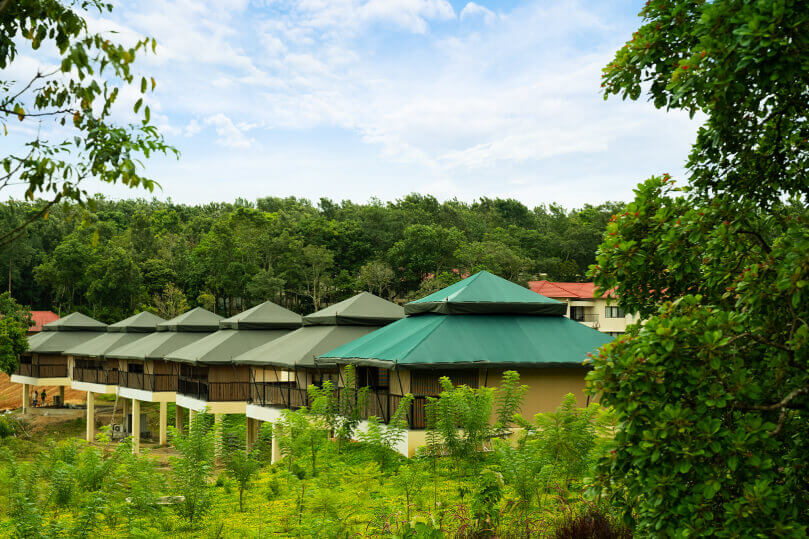
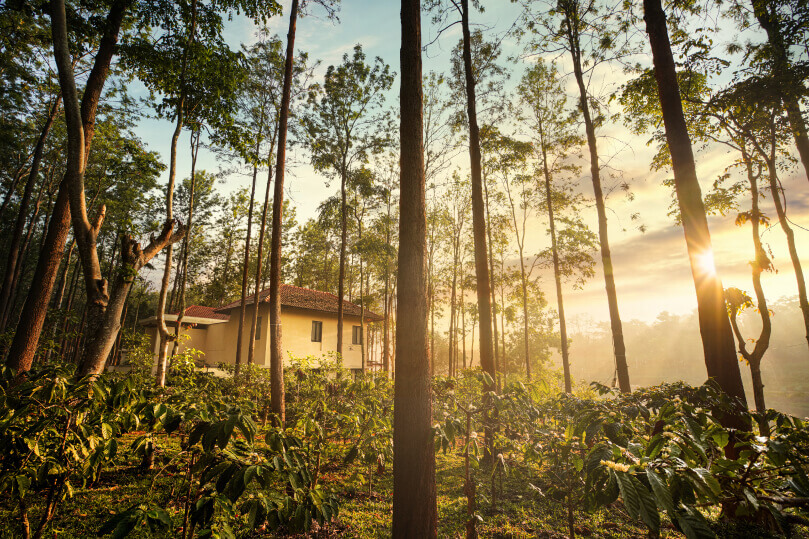
Our 15,000 trees spread across our lush coffee plantation help remove 375 tonnes of carbon dioxide from the environment annually. We aim not just to be a carbon-neutral resort but to make a positive impact by removing more carbon than we produce. Our goal is to become a carbon-negative resort.
Ecological
design
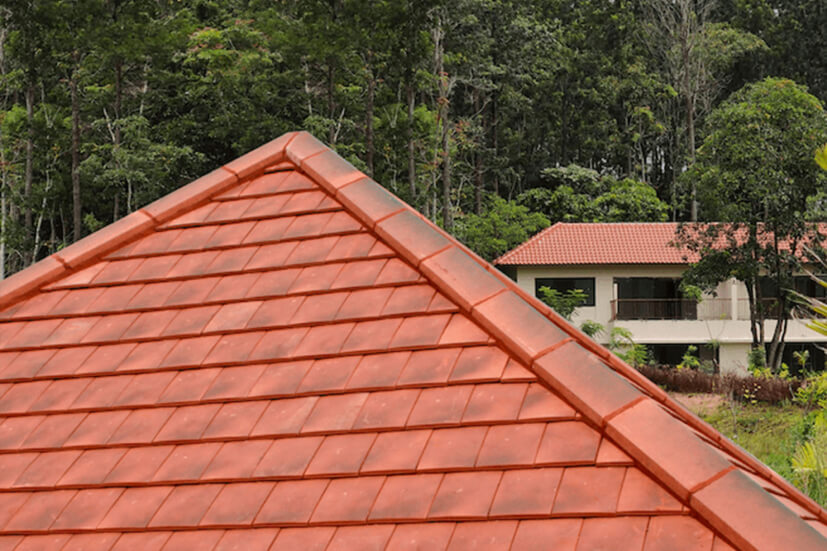
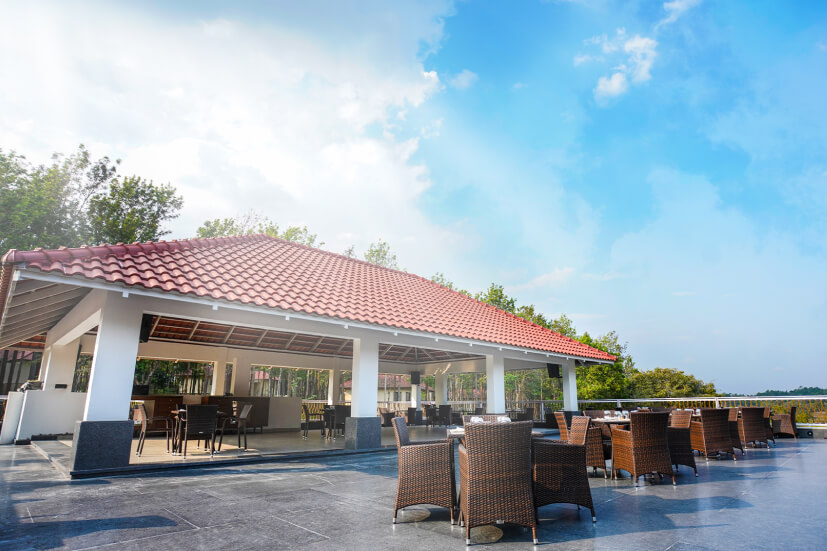
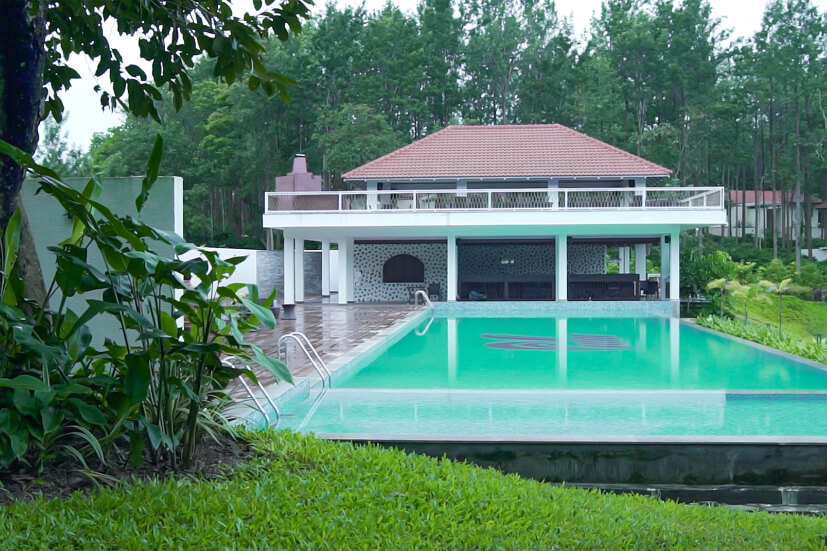
We have made thoughtful choices in designing our resort to reduce our environmental footprint. For instance, we have selected eco-friendly rooftop tiles that help regulate temperature throughout the year. We have also taken steps to minimize the distance materials travel during construction, reducing the impact on the environment. Our design is not just practical; it's eco-conscious.
Mindful operations
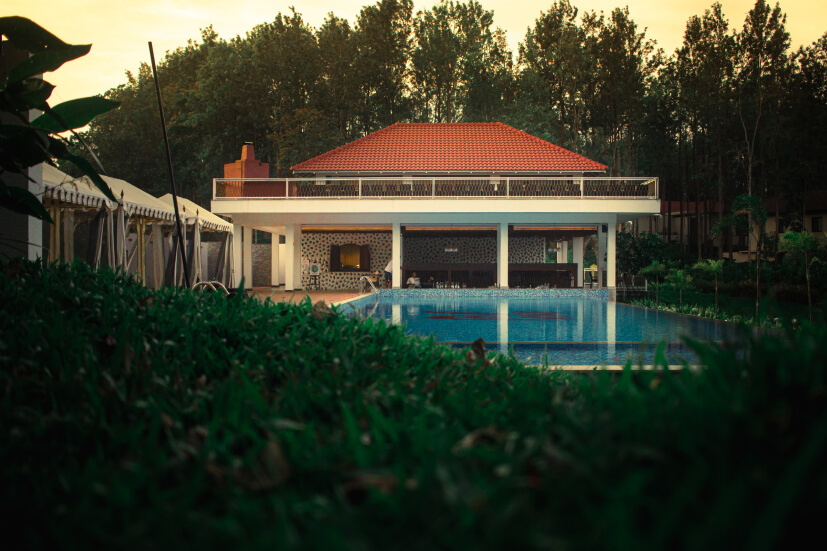
We have implemented a smart system in our guestrooms that automatically reduces energy use when guests are out, helping us lower our environmental impact. This system uses occupancy sensors to detect when rooms are empty, and then adjusts lighting, heating, and cooling accordingly. By doing this, we not only save on energy costs but also reduce our carbon footprint, contributing to a more sustainable and eco-friendly operation.
Recycling and
waste reduction
Through our recycling and composting program, we aim to keep more than 50% of our waste from ending up in landfills. We manage our plants and trees using organic methods, and any food waste from vegetables is composted, turning into organic compost that helps maintain our landscaped areas. This way, we're committed to reducing waste and supporting a greener environment.
Water
conservation
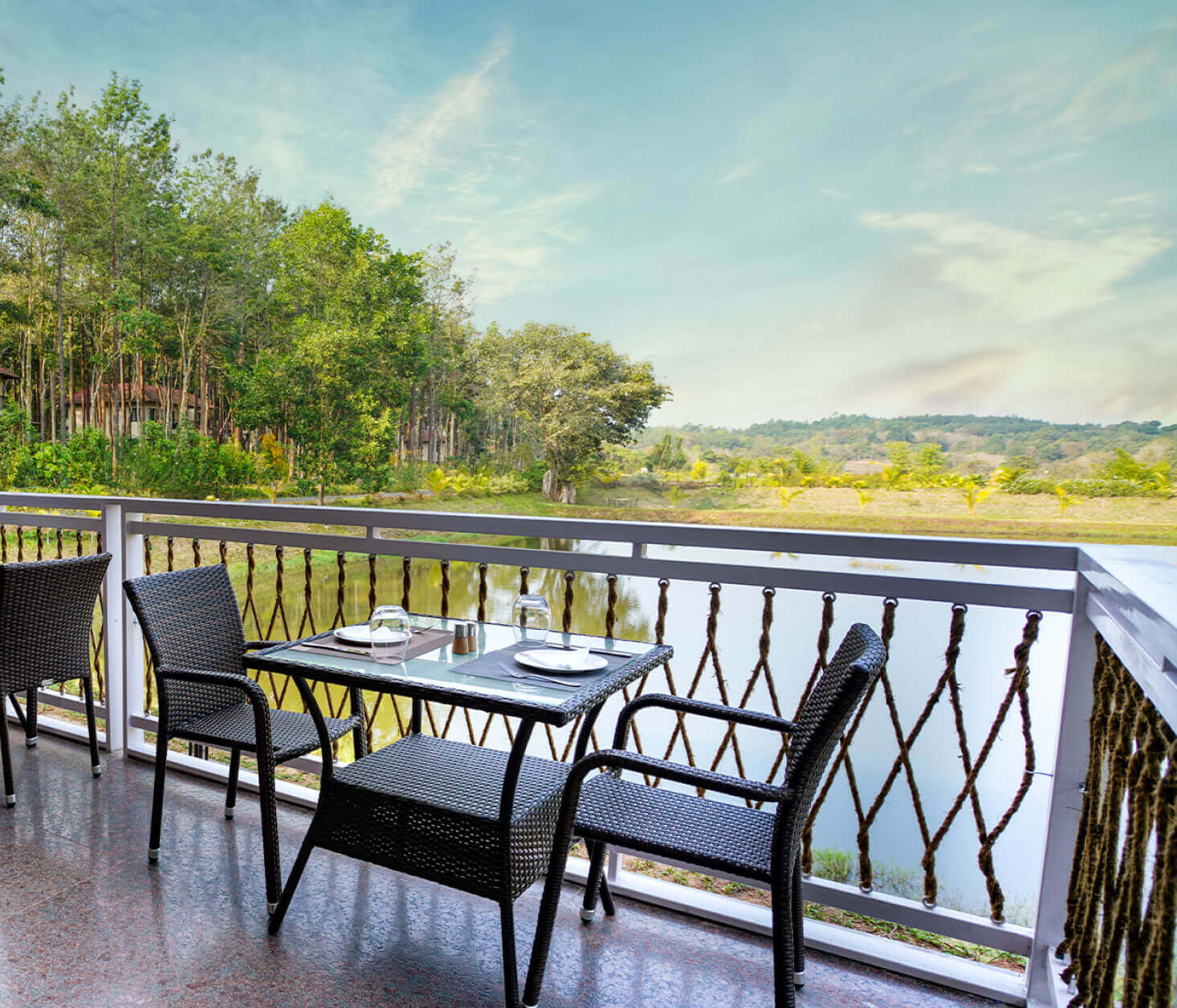
For enhanced water efficiency indoors, we have installed bathroom fixtures with low water flow, as well as dual flush toilets. Our hydroponic systems utilize water up to 10 times less than traditional field crop watering methods, ensuring optimal growth with minimal water usage. Our sewage treatment plants (STP) efficiently collect, treat, and discharge the treated wastewater. This recycled water can be utilized for gardening. Additionally, we have constructed an artificial pond to capture rainwater, which is then utilized for landscaping and in our polyhouse.

Soil-less farming
To cultivate our organic produce, we employ hydroponic farming techniques. This innovative method offers several advantages over traditional farming practices, including reduced water and land usage. By adopting a soil-less approach, we ensure reliable, predictable, and repeatable growth in our organic farms. Through the use of carefully balanced nutrients and water, our hydroponic system nourishes plants without the need for soil. The result is a superior quality product that boasts enhanced taste, texture, nutritional value, and overall quality.
Menu
selection
We proudly prioritize locally-sourced, fresh, and seasonal produce in our culinary offerings. Our menus showcase regional ingredients and locally-inspired flavors. With our farm-to-plate approach, we ensure every ingredient in our delightful meals and refreshing drinks embodies our commitment to quality and sustainability.



Our focus
on organic
Our on-site organic farm supplies our restaurant with a regular stream of fresh, organic ingredients. We also source from local purveyors who share our commitment to organic practices. Our organic farm on-site provides fresh produce and edible flowers for our restaurant, bar, and spa. Even our bath products are carefully selected to maintain a holistic organic experience.

Bee sustainability
As part of our dedication to environmental stewardship, we have implemented a bee-focused initiative that prioritizes the protection of bee habitats and promotes essential pollination. Through this initiative, we actively support the health and well-being of honey bees while fostering the pollination of gardens and flowers. Our commitment to this cause plays a vital role in preserving bee populations and ensuring the sustainability of their vital ecological role.
Frequently Asked Questions
Sustainability is integrated into the design and operations of Rosetta Hospitality, particularly at Rosetta Sakleshpur, its flagship resort set within a 100-acre coffee plantation estate. The property follows a range of environmental initiatives, including energy-saving occupancy sensors in guest rooms, water conservation systems, rainwater harvesting, wastewater recycling, composting, and hydroponic farming. The resort also prioritises locally sourced and seasonal ingredients as part of its farm-to-table approach.
Rosetta's long-term vision extends beyond reducing its environmental impact. With over 15,000 trees across the estate, the property is working towards becoming carbon negative while preserving the natural landscape that defines the guest experience.
The 100-acre coffee plantation estate is central to both the guest experience and sustainability philosophy at Rosetta Sakleshpur. Rather than transforming the landscape into a conventional resort environment, the property has been designed around the existing plantation ecosystem, preserving mature trees, biodiversity, and the natural character of the Western Ghats.
Guests experience this connection to nature throughout their stay, from plantation walks and open green spaces to farm-to-table dining supported by locally sourced ingredients and produce grown within the estate. The result is a form of hospitality where sustainability is woven into the destination itself rather than existing as a separate initiative.
At Rosetta, responsible luxury means delivering exceptional guest experiences while respecting the natural environments and local communities that make those experiences possible. This philosophy guides everything from how properties are designed and operated to how resources are managed on a daily basis.
At Rosetta Sakleshpur, this includes preserving the existing plantation landscape, implementing water and energy conservation measures, supporting local sourcing, and integrating sustainability initiatives such as rainwater harvesting, wastewater recycling, composting, and hydroponic farming. The aim is to create hospitality experiences that are thoughtful, authentic, and environmentally conscious without compromising on comfort, quality, or service.
Yes. Rosetta Sakleshpur follows a sustainability-led approach to hospitality, combining luxury experiences with environmentally responsible practices. Set within a 100-acre coffee plantation estate in the Western Ghat region, the resort has been designed to work in harmony with its natural surroundings while minimising its environmental impact.
Key initiatives include rainwater harvesting, wastewater recycling, hydroponic farming, composting, energy-saving occupancy sensors, and the use of locally sourced ingredients wherever possible. With over 15,000 trees across the estate and a continued focus on conservation, Rosetta Sakleshpur offers guests an opportunity to experience nature, comfort, and responsible hospitality in one destination.
Yes. Rosetta Sakleshpur employs occupancy sensor technology across guest rooms to ensure energy is used only when spaces are occupied. This translates into a meaningful reduction in the property's baseline energy consumption. The resort's integration with its plantation setting also minimises the need for energy-intensive landscaping and artificial environment management. The group continues to evaluate and expand its green practices across both properties – Rosetta Sakleshpur and Elements by Rosetta, Varca, Goa.
Rosetta Sakleshpur combines luxury hospitality with a strong commitment to sustainability and environmental stewardship. Set within a 100-acre coffee plantation estate in the Western Ghat region, the resort is designed around the existing natural landscape rather than altering it through extensive development.
Unlike many traditional eco-resorts, Rosetta does not position sustainability as a trade-off for comfort. Instead, initiatives such as water conservation, energy-efficient operations, local sourcing, and ecological preservation are integrated into the guest experience alongside spacious accommodations, nature-led activities, wellness offerings, and curated dining experiences based on the concept of farm-to-table. The result is a form of responsible luxury that balances environmental consciousness with contemporary comfort.
Low-density hospitality refers to offering fewer accommodations across a larger natural landscape, allowing guests greater privacy, space, and a stronger connection to the destination. At Rosetta Sakleshpur, this is a deliberate choice that shapes both the guest experience and the brand's sustainability philosophy.
By limiting density, Rosetta Sakleshpur preserves the character of its natural surroundings, reduces the impact of large-scale development, and creates a more peaceful environment for guests. It also enables a higher level of personalised service and attention to detail. Low-density hospitality is where responsible luxury and exceptional guest experiences naturally come together.